History
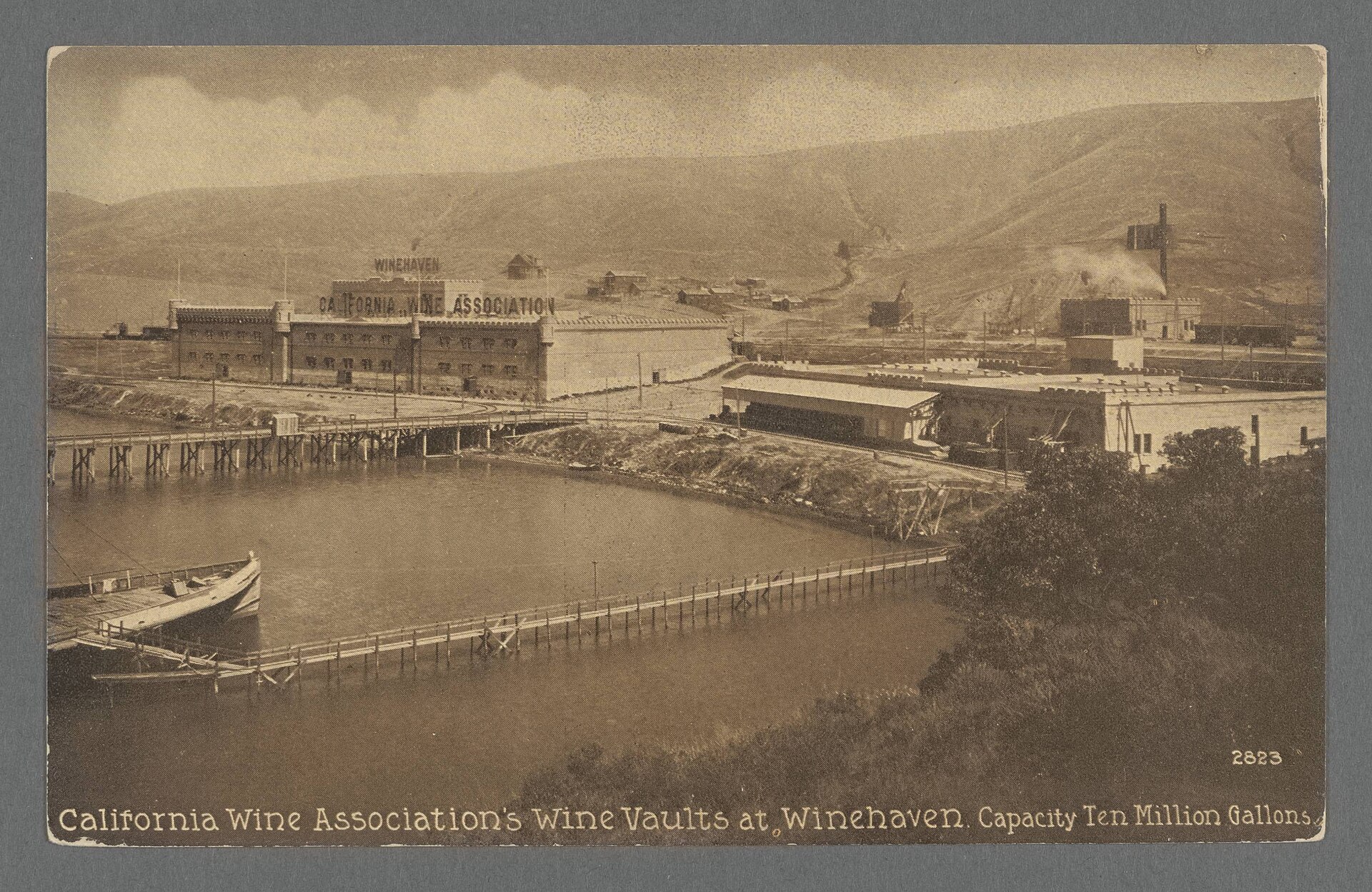
After the 1906 San Francisco earthquake destroyed the California Wine Association’s city vaults, the association rebuilt at Point Molate. Winehaven shipped as much as 500,000 gallons a month from its own dock.
National Register Historic District
On the Richmond shoreline at Point Molate stands what was once the world’s largest winery. The Winehaven Trust works to keep its brick vaults, worker cottages, and company-town landscape standing for the public that inherits them.
Why it matters
After the 1906 San Francisco earthquake destroyed the California Wine Association’s city vaults, the association rebuilt at Point Molate. Winehaven shipped as much as 500,000 gallons a month from its own dock.
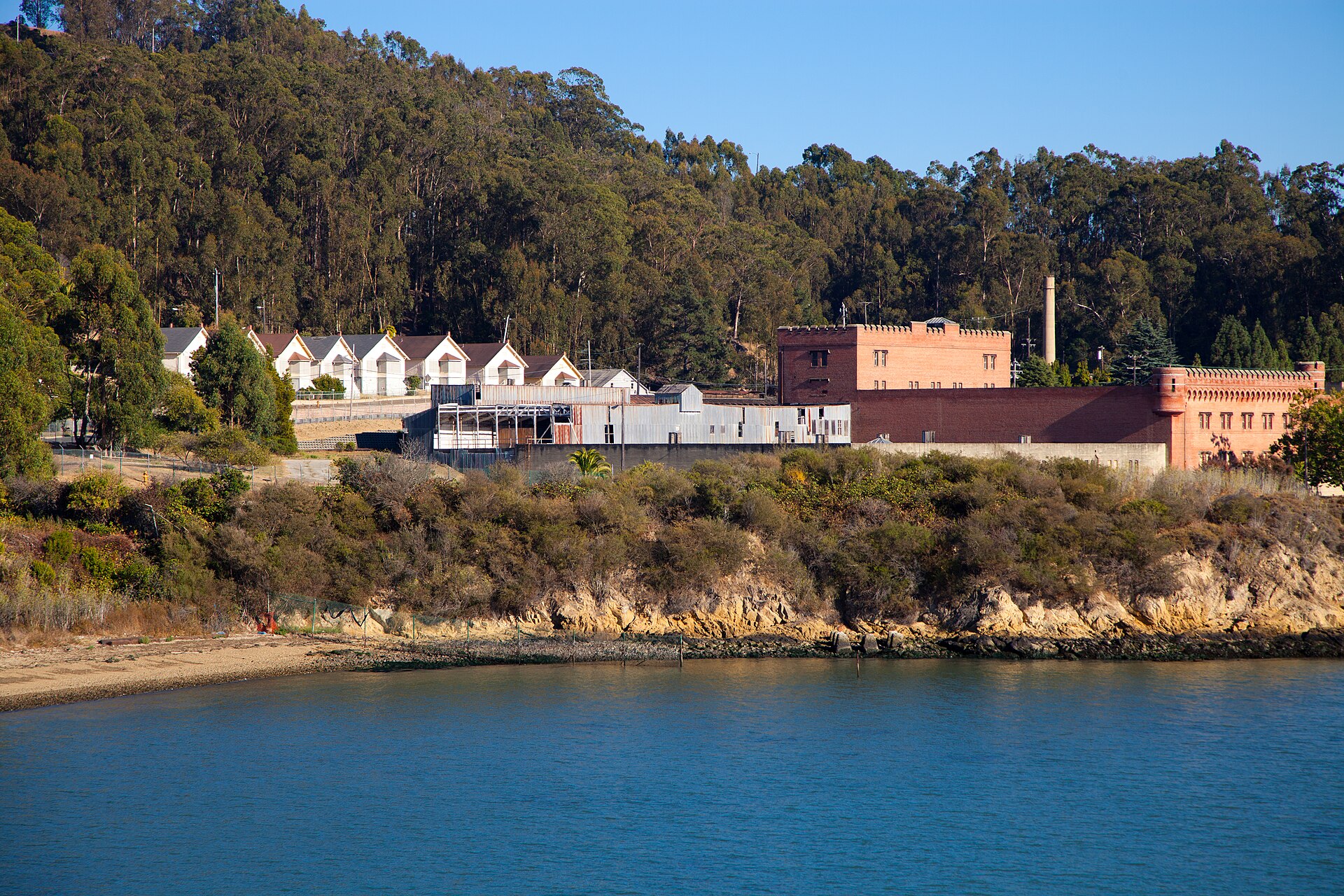
The district’s brick cellars, crenellated parapets, and corner turrets were designed to look like a Rhineland castle — and to survive fire and earthquake. Nearby cottages housed winery families, then Navy families.
Winehaven Trust is a nonprofit formed to stop demolition by neglect. The roofs, turrets, and weatherproofing of these National Register buildings need real repair, not delay.
Current campaign
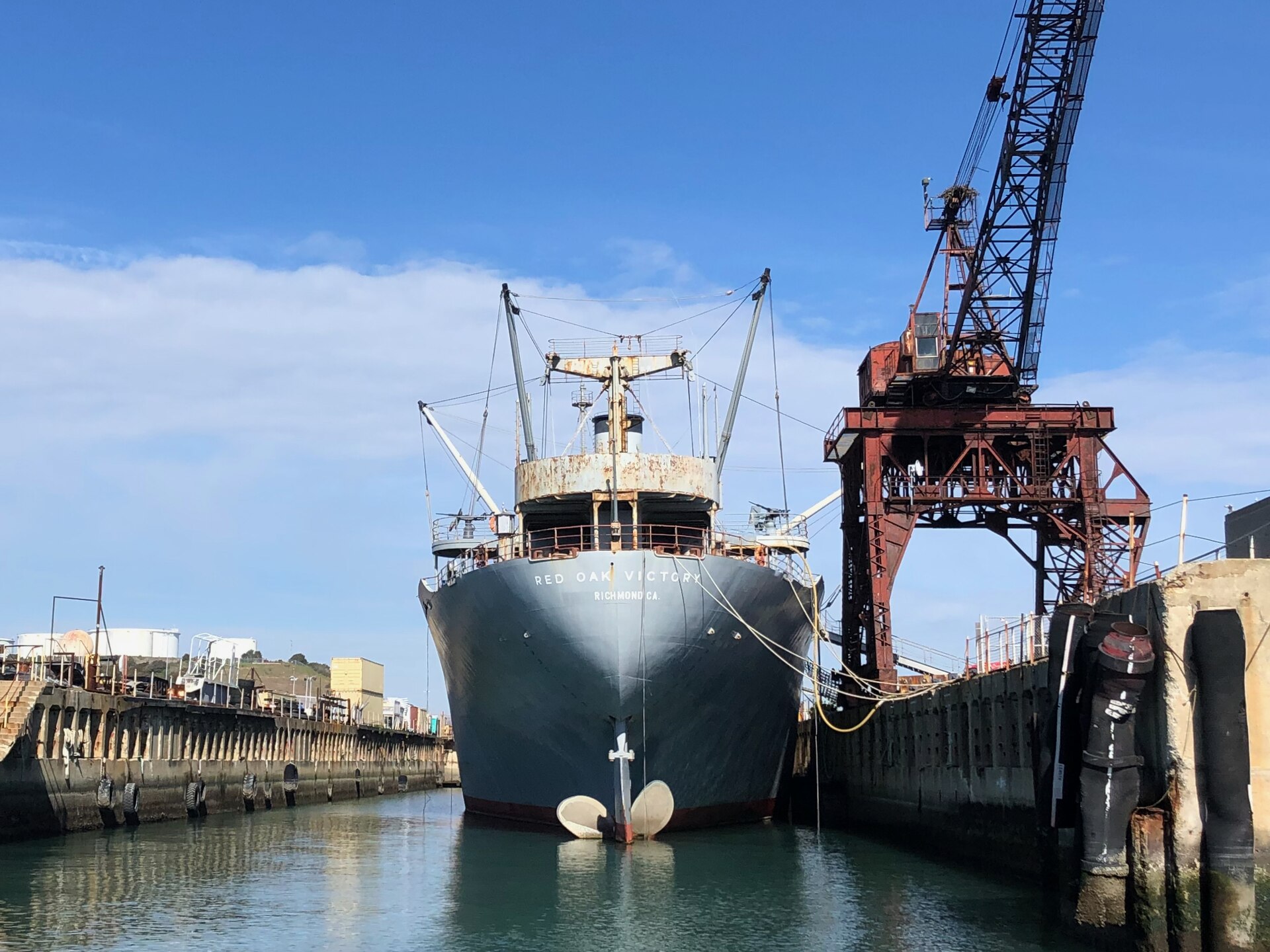
The Whirley Crane at Shipyard No. 3 is one of the last surviving machines from Richmond’s WWII shipyards. It worked here during the war. The City accepted it in 2005 to stand next to the Red Oak Victory as part of the National Historical Park. After more than 20 years without real maintenance, demolition is being discussed as the cheapest option. Winehaven Trust is fighting to keep the crane in place, stabilized, and part of the public story of Rosie the Riveter and the Richmond home front.
From vault to village
Winehaven was never only a warehouse. It was a company town: cellars, powerhouse, fire station, hotel, school, post office, and a street of cottages under the winemaster’s house. At peak season as many as 400 people lived and worked here.
Prohibition closed the winery. The Navy later stored fuel in the same buildings. Through those changes the historic core stayed largely intact — until decades of deferred maintenance began to undo what earthquake, war, and time had not.